Gua sha is one of those skin tools that can look almost too good to be true: a few minutes of sweeping motions, and suddenly your face may look less puffy, more lifted, or brighter. So, does gua sha work, or is it mostly a relaxing ritual with pretty before-and-after photos?
The honest answer is nuanced. Facial gua sha may help with short-term puffiness, muscle tension, and the way your skin looks right after use, but the evidence for long-term sculpting or collagen-building is much thinner.
What gua sha actually is
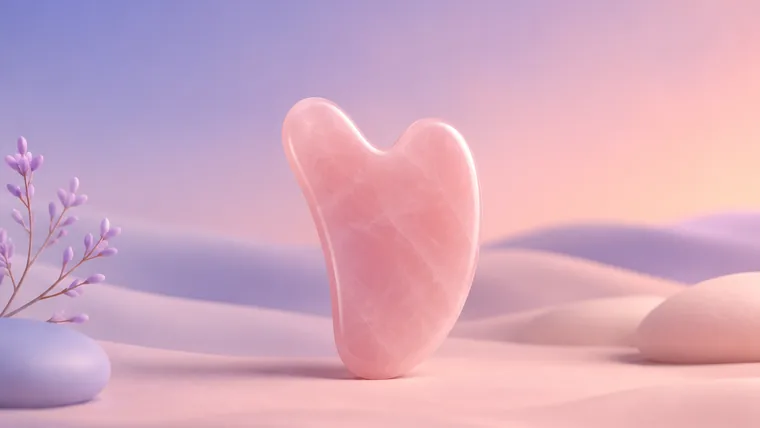
Traditional gua sha is a bodywork technique used in some East Asian healing traditions. It involves scraping the skin with a smooth-edged tool to create redness and stimulate the area. Facial gua sha is much gentler. Instead of firm scraping, you use light pressure with a flat stone or metal tool over facial oil, serum, or moisturizer.
Most facial gua sha routines focus on slow strokes along the jawline, cheeks, forehead, neck, and under-eye area. The goal is usually to reduce puffiness, encourage fluid movement, soften the look of tension, and create a temporary “lifted” appearance.
That distinction matters because research on traditional body gua sha does not automatically prove the same results for facial gua sha. Your face has thinner skin, more visible blood vessels, and different cosmetic goals. A gentle face routine should not leave bruising, broken capillaries, or lasting redness.
What the evidence supports
There is limited direct research on facial gua sha specifically. Most claims are based on related evidence about massage, lymphatic drainage, circulation, and the short-term effects of manipulating soft tissue. That does not mean gua sha is useless. It means the strongest benefits are likely temporary and visual, not structural.
Short-term puffiness reduction
One of the most believable gua sha benefits is a less puffy look, especially in the morning. Puffiness can happen when fluid collects in facial tissues overnight, after salty meals, with poor sleep, during hormonal shifts, or from allergies. Gentle sweeping motions may help move some of that fluid toward lymphatic drainage pathways.
This is why gua sha before and after photos can look dramatic after a single session. The change is often real, but it is usually a short-term shift in fluid, not fat loss or bone-level contouring. If you stop using the tool, the effect typically fades.
A brighter, flushed look
Gua sha can temporarily increase blood flow near the surface of the skin. That may make your complexion look warmer, fresher, or more awake for a while. This is similar to what can happen after facial massage, light exercise, or a warm shower.
If your skin is reactive, rosacea-prone, or easily flushed, that same circulation boost may be too much. Redness that lasts, stinging, or visible broken capillaries are signs to ease up or skip the tool.
Muscle tension relief
Many people clench their jaw, furrow their brow, or hold tension around the temples and neck. Gentle gua sha can feel soothing in those areas, especially when paired with slow breathing. It may help your face look softer because you are relaxing tight muscles, not because the tool is changing your facial structure.
If you have jaw pain, frequent headaches, or TMJ symptoms, gua sha is not a substitute for medical or dental care. It may feel comforting, but ongoing pain deserves professional guidance.
What gua sha probably cannot do
Some gua sha claims go beyond what evidence can support. It is worth separating a useful skincare habit from unrealistic expectations, because disappointment often comes from expecting a tool to do the job of sunscreen, retinoids, sleep, or dermatology procedures.
- It does not permanently slim your face. Gua sha may temporarily reduce puffiness, but it cannot remove facial fat.
- It does not reshape bone structure. A sharper-looking jawline after use is usually from fluid movement, angle, lighting, or reduced tension.
- It is not proven to build meaningful collagen on its own. Collagen support is better established with daily sunscreen, certain topical ingredients, and professional treatments.
- It will not fix a damaged barrier. If your skin is stinging, peeling, or inflamed, rubbing it with a tool can make things worse.
If your skin barrier feels off, pause tools and focus on basics first. This guide to Skin Barrier 101: Signs of Damage and How to Repair It can help you decide whether your skin needs recovery time before adding massage back in.
How to use gua sha safely
If you want to try facial gua sha, technique matters more than buying a specific stone. Jade, rose quartz, stainless steel, and ceramic tools can all work if the edges are smooth and comfortable. The goal is glide, not scraping.
A simple routine
- Start with clean skin and clean hands. Wash the tool before use, especially if you are acne-prone.
- Apply slip. Use a facial oil, moisturizer, or hydrating serum so the tool glides without tugging.
- Use light pressure. Think gentle contact, not force. Your skin should not hurt or bruise.
- Keep the tool mostly flat. A 15- to 30-degree angle helps spread pressure instead of digging into the skin.
- Work slowly. Try 3 to 5 strokes per area rather than rushing through dozens of passes.
- Move outward and slightly upward on the face. For the neck, many routines use downward strokes toward the collarbone to support fluid movement.
- Stop if your skin complains. Burning, strong redness, itching, or tenderness means it is time to pause.
A basic routine can take 3 to 7 minutes. You might sweep from the center of the chin along the jawline, from the sides of the nose across the cheeks, under the cheekbones toward the ears, above the brows toward the temples, and gently down the sides of the neck. Around the eyes, use extra-light pressure and avoid dragging the delicate skin.
If you use active ingredients like retinoids, exfoliating acids, or strong vitamin C, be thoughtful. Gua sha right after applying irritating actives may increase redness or sensitivity. Many people do better using gua sha with a bland moisturizer or oil on non-exfoliation nights.
Who should be careful or skip it
Gua sha is not automatically safe for every skin situation. Avoid it over active rashes, sunburn, open cuts, cold sores, recent injections, fresh surgical areas, or inflamed acne cysts. If you have a history of easy bruising, blood clotting issues, or take blood-thinning medication, ask a clinician before trying it.
Be cautious if you have rosacea, eczema, psoriasis, or very sensitive skin. You may still tolerate a very gentle version, but patch testing the motion on a small area and waiting a day is smart. If redness lingers or your skin feels hot and irritated, your skin may not enjoy this type of friction.
For acne-prone skin, the biggest issues are pressure, product choice, and tool hygiene. A heavy oil may clog pores for some people, and dragging a tool over inflamed breakouts can worsen irritation. Use a noncomedogenic product that already agrees with your skin, keep pressure light, and wash the tool with soap and water after every use.
How to judge your own gua sha before and after
Before-and-after photos can be misleading. Lighting, facial expression, head angle, hydration, sleep, and camera distance can all change how firm or sculpted your face looks. If you want to know whether gua sha is doing anything for you, make your comparison boring and consistent.
- Take photos at the same time of day, ideally before skincare or makeup.
- Use the same lighting, camera distance, and facial expression.
- Compare immediate results and next-day results separately.
- Track puffiness, redness, tenderness, and breakouts, not just “lift.”
- Give it a few weeks, but do not ignore irritation just to finish an experiment.
This is where Shaynee can be useful: it tracks firmness and puffiness over time, so you can see whether gua sha is doing anything for you instead of relying on one flattering photo. For a broader view of how your skin is changing, you can also read What Your Glow Score Actually Measures.
If your “after” looks better for a few hours but not the next day, that does not mean gua sha failed. It may simply be working as a temporary depuffing and relaxation tool. That can still be worthwhile if you enjoy it and your skin tolerates it.
Where gua sha fits in a realistic skincare routine
Think of facial gua sha as an optional add-on, not a foundation. Your core routine still does the heavy lifting: gentle cleansing, moisturizer, daily broad-spectrum sunscreen, and targeted ingredients when needed. No tool can compensate for irritating your skin barrier or skipping sun protection.
The best reason to use gua sha is that it feels good, helps you slow down, and gives you a temporary refreshed look without irritating your skin. The weakest reason is trying to force a permanent facial contour change. If you find yourself pressing harder and harder to chase a more dramatic result, scale back.
A practical approach is to use it 2 to 4 times a week, or occasionally before an event, as long as your skin stays calm. More is not always better. Skin benefits from consistency, but it also benefits from being left alone when it is sensitive.
Practical takeaway
So, does gua sha work? It can help with temporary puffiness, a fresher look, and tension relief, especially when you use light pressure and enough slip. It is not proven to permanently sculpt your face or replace evidence-backed skincare basics, but if your skin tolerates it and you enjoy the ritual, it can be a reasonable part of your routine.