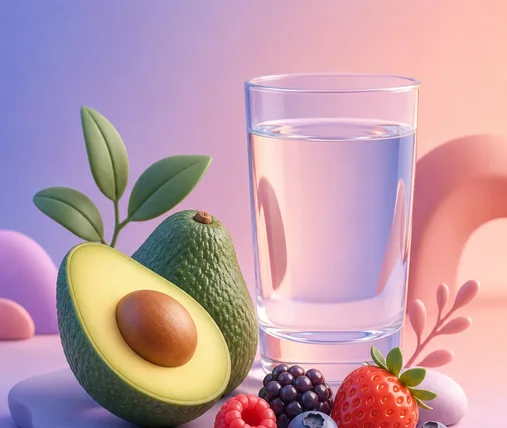
Your skin is not a report card for your diet, and one snack will not ruin your complexion. But the pattern of what you eat can quietly influence breakouts, oiliness, inflammation, and how steady your skin looks from week to week.
The connection between foods and skin is not about perfection or cutting out entire food groups “just in case.” It is about noticing your own patterns, supporting your skin barrier from the inside, and making small swaps that feel realistic.
How food can show up on your skin
Your skin is influenced by hormones, genetics, stress, sleep, medications, climate, your routine, and yes, nutrition. Food is only one piece, but it can affect systems that matter for your complexion: blood sugar, inflammation, gut health, and sebum production.
For example, a meal that causes a sharp blood sugar spike may increase insulin and related growth signals. In some people, that can nudge oil glands and clogged pores in a less helpful direction. A low-fiber diet may also affect the balance of bacteria in your gut, which can influence inflammation through what researchers call the gut-skin axis.
That does not mean every breakout is “because of food.” Acne is complex. If you want a broader breakdown of triggers, hormones, pore clogging, and treatment basics, read What Causes Acne? Types, Triggers and What Helps.
Sugar and skin: the quiet blood sugar connection
When people talk about sugar and skin, the most useful concept is not “sugar is bad.” It is blood sugar stability. Foods that digest very quickly, like sugary drinks, candy, sweetened cereals, white bread, and many pastries, can lead to faster glucose and insulin rises.
Some studies suggest that a high-glycemic diet may worsen acne for certain people, especially when it is a regular pattern. The likely reason is hormonal signaling: higher insulin can increase pathways involved in oil production and skin cell turnover, which may contribute to clogged pores.
This does not mean you can never enjoy dessert. It means your skin may do better when sweet or refined foods are balanced with protein, fiber, and healthy fats. For example, having fruit with Greek-style yogurt or nuts may be steadier than fruit juice alone. Eating a sandwich on whole-grain bread with protein may be steadier than a plain bagel with jam.
Skin-friendly ways to soften blood sugar spikes
- Add protein: eggs, fish, chicken, tofu, beans, lentils, yogurt, cottage cheese, or tempeh.
- Add fiber: vegetables, berries, oats, chia seeds, beans, lentils, quinoa, and whole grains.
- Do not drink most of your sugar: sweet coffee drinks, soda, juice, and energy drinks can add up quickly.
- Pair sweets with meals: a cookie after lunch may be gentler than a cookie on an empty stomach.
Dairy and acne: possible trigger, not a universal rule
Dairy and acne is one of the most talked-about topics in skin nutrition. Research has found an association between milk intake and acne in some groups, but it does not prove that dairy causes acne for everyone. The relationship may involve hormones naturally present in milk, insulin-like growth factor signaling, or individual sensitivity.
Skim milk has shown a stronger association in some studies than full-fat dairy, but the evidence is not simple enough to say everyone with acne should avoid dairy. Yogurt and fermented dairy may behave differently for some people because of probiotics and fermentation, though this also varies.
If you suspect dairy is affecting your skin, try a calm, structured approach. Do not cut everything at once. Track your skin for a few weeks, then consider reducing one category, such as milk or whey protein, while keeping the rest of your routine stable. If you remove dairy long term, make sure you are replacing nutrients like calcium, vitamin D, and protein through other foods or guidance from a clinician or registered dietitian.
Also, be careful with extremes. A restrictive diet can increase stress and make eating feel tense, which is not great for your overall health or your skin. The goal is information, not fear.
The gut-skin axis: why fiber and variety matter
The gut-skin axis is the idea that your digestive system, immune system, and skin communicate. Your gut microbiome helps process food, supports immune balance, and produces compounds that can influence inflammation. When your meals are low in fiber and variety for a long time, that ecosystem may become less diverse.
For your skin, this matters because acne, eczema flares, rosacea flushing, and barrier irritation all have inflammatory components, though they are different conditions with different triggers. Nutrition will not replace medical care, but a gut-supportive diet can be a helpful foundation.
Foods that support the gut-skin axis
- Prebiotic fibers: oats, onions, garlic, asparagus, slightly green bananas, beans, lentils, and apples.
- Fermented foods: yogurt with live cultures, kefir, kimchi, sauerkraut, miso, and tempeh.
- Colorful plants: leafy greens, berries, carrots, peppers, tomatoes, herbs, and purple cabbage.
- Healthy fats: olive oil, avocado, nuts, seeds, and fatty fish like salmon or sardines.
If you are not used to high-fiber meals, increase gradually and drink water. A sudden jump from very low fiber to lots of beans and cruciferous vegetables can make your stomach uncomfortable, and that is not the goal.
Foods for clear skin: what to add more often
Instead of building your eating habits around avoidance, it is usually more sustainable to focus on foods for clear skin that nourish your barrier, support healing, and keep inflammation in a healthier range. You do not need a “skin diet.” You need repeatable meals that cover the basics.
Helpful nutrients and where to find them
- Omega-3 fats: salmon, sardines, trout, chia seeds, flaxseed, and walnuts. These fats are linked with inflammation balance.
- Zinc: oysters, beef, pumpkin seeds, lentils, chickpeas, and cashews. Zinc plays a role in skin repair and immune function.
- Vitamin C: citrus, strawberries, kiwi, bell peppers, broccoli, and potatoes. Vitamin C supports collagen formation and antioxidant defense.
- Vitamin A and carotenoids: sweet potatoes, carrots, spinach, kale, eggs, and dairy. These nutrients support normal skin cell turnover.
- Protein: fish, poultry, eggs, tofu, tempeh, beans, lentils, Greek-style yogurt, and lean meats. Your skin needs amino acids for repair.
- Water-rich foods: cucumbers, oranges, melon, tomatoes, soups, and smoothies. Hydration supports overall function, though it will not erase dryness by itself.
A simple skin-supportive plate might look like salmon or tofu, brown rice or quinoa, roasted vegetables, olive oil, and fruit. Another could be a lentil soup with greens and a side of whole-grain toast. Breakfast might be oats with berries, chia, and nuts, or eggs with avocado and vegetables.
This is also where tracking can help. Shaynee's food scan estimates a meal's skin impact, so you can connect what's on your plate to your complexion without trying to memorize every nutrition detail.
How to spot your personal food triggers without spiraling
Food sensitivities are personal. One person may notice breakouts after whey protein. Another may do fine with whey but flare after several days of sugary drinks and poor sleep. Another may see no food connection at all. Your pattern matters more than someone else’s list.
To investigate without over-restricting, keep your method boring and consistent. Track your meals, sleep, stress, cycle timing if relevant, workouts, and new skincare products. Then look for repeated patterns over several weeks, not one random pimple after one random meal.
A gentle tracking plan
- Choose one question: for example, “Does milk seem linked to my jawline breakouts?”
- Keep your skincare steady: changing products at the same time makes patterns harder to read.
- Watch timing: acne lesions can start forming before you see them, so look for trends across days and weeks.
- Reintroduce thoughtfully: if you remove a food, bring it back and see whether the pattern repeats.
- Avoid broad elimination diets: they can backfire nutritionally and emotionally.
If your acne is painful, scarring, sudden, or affecting your confidence, a dermatologist can help. Nutrition can support your skin, but you should not have to solve persistent acne with food detective work alone.
What food cannot do for your skin
It is worth saying clearly: food cannot replace sunscreen, a gentle cleanser, a good moisturizer, or evidence-based acne treatments when you need them. Food also cannot “detox” your skin. Your liver, kidneys, gut, and lymphatic system already handle waste processing. Skin health is more about support than cleansing from the inside.
It is also easy to blame yourself when your skin flares. Try not to. Even people with very balanced diets get acne, rosacea, eczema, melasma, and texture changes. Skin is biology, not a willpower test.
Use nutrition as one signal among many. If you track your skin in an app, remember that photos, symptoms, routine consistency, sleep, and stress can all matter. If you want to understand one way skin progress can be measured beyond just “good” or “bad” days, read What Your Glow Score Actually Measures.
Practical takeaway
The most skin-supportive eating pattern is usually steady, not strict: more fiber, more colorful plants, enough protein, healthy fats, and fewer frequent blood sugar spikes. If you suspect a trigger like dairy, high-glycemic foods, or whey protein, test it gently and look for repeat patterns. Your best plan is the one that supports your skin and still lets you enjoy your life.